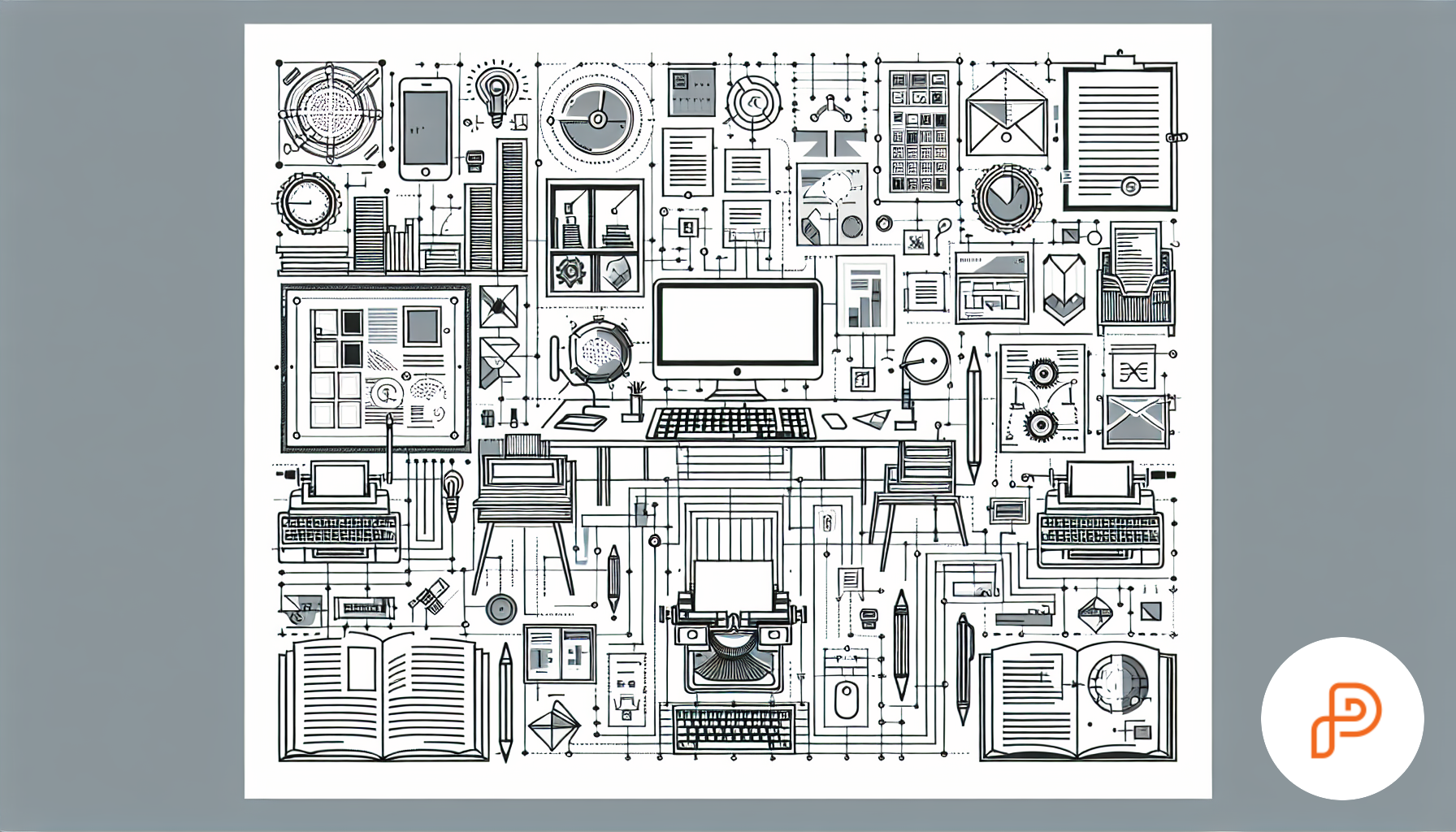
Opinion: The Cult of Over-Engineering and Its Hidden Costs in Education Technology
It’s a familiar refrain from engineers and technologists: “We over-engineer because we must.” The logic is rooted in past experience—decades of solving complex problems under constraints where redundancy and robustness were paramount. But this mindset, while admirable in its attention to detail, has become a double-edged sword, particularly in sectors like education technology. Over-engineering isn’t just about excessive complexity; it’s about misplaced priorities and a failure to understand the environments where these solutions will be deployed.
Take education, for example. Engineers often approach the classroom like a factory floor, imagining a neatly organised system of inputs and outputs. They build software and devices that promise precision, scalability, and efficiency, assuming schools operate with the same predictability as production lines. But education is messy. It’s human-centric, context-laden, and deeply resistant to the kind of standardisation that many engineers crave. Over-engineered solutions often fail to account for this, leaving educators with tools that are cumbersome, opaque, or outright unusable.
The Hidden Costs of Complexity
At first glance, over-engineering might seem harmless—a quirk of perfectionism that results in fancy features or bulletproof functionality. But the reality is far more concerning. When tools are unnecessarily complex, they bring hidden costs that ripple through classrooms, institutions, and even the broader education system.
Usability vs. Complexity
Over-engineered platforms often alienate their end-users: teachers and students. A “simple” grading tool with layers of analytics, dashboards, and customisation options might look great on paper, but if it takes an hour to set up and another hour to troubleshoot, it’s a net loss for educators already stretched thin. Simplicity isn’t a nice-to-have; it’s a necessity when the primary users are not technologists but everyday humans.
Security Overhead
More features often mean more attack surfaces. Over-engineering can introduce unnecessary vulnerabilities, from overly complex data structures to poorly integrated third-party APIs. In education, where sensitive student data is involved, the consequences of a breach are catastrophic—not just for institutions, but for individuals whose privacy has been compromised.
Distracting from Core Goals
Education technology should enhance learning. It should help teachers teach and students learn. But when engineers prioritise bells and whistles over functionality, the focus shifts from pedagogy to gadgetry. Features like AI-driven insights or blockchain credentialing sound impressive, but do they actually improve learning outcomes? Too often, the answer is no.
What Drives the Over-Engineering Epidemic?
It’s tempting to blame engineers themselves for this trend, but the truth is more complex. Over-engineering in education technology is often spurred by structural issues within the industry:
Marketing Pressure
Vendors are under immense pressure to differentiate their products. A simple, streamlined tool doesn’t make a splash at conferences or stand out in sales pitches. So they add features—often unnecessary ones—to make their offerings look more advanced. The result? Tools that prioritise visual appeal over practical utility.
Procurement Dynamics
Education institutions often select tools based on feature checklists rather than usability. Vendors respond by building products that tick more boxes, even if those features are rarely used. This creates a vicious cycle where complexity is rewarded, not penalised.
The Myth of Scalability
Engineers love scalability—a system that can handle a small classroom today and a nationwide rollout tomorrow. But scalability often comes at the expense of simplicity. A platform optimised for massive deployments may become unwieldy in smaller, more intimate settings, which still make up the majority of educational environments.
Breaking the Cycle: Simplicity as Strategy
The solution to over-engineering isn’t just about stripping away unnecessary features; it’s about changing the incentives driving this behaviour. Here’s how:
Reprioritising Usability
Vendors should start by asking: What do teachers and students actually need? Usability testing and real-world pilots must become central to the development process, not afterthoughts.
Regulating Data Practices
Over-engineered systems often collect more data than necessary under the guise of “analytics.” Governments and institutions need to enforce stricter regulations around data collection, ensuring that tools are designed with privacy in mind.
Shifting Procurement Mindsets
Institutions must move beyond feature-driven purchasing decisions. They should demand proof of effectiveness—does the tool demonstrably improve learning outcomes, reduce teacher workload, or bolster student engagement?
Learning from Simpler Systems
Engineers should look to the success of low-tech solutions, like Google Classroom or even physical whiteboards, as reminders of what truly matters in education. Technology is a means, not an end.
The Big Picture
Over-engineering isn’t just an engineering problem; it’s a cultural one. It reflects a disconnect between technologists and the environments they’re designing for. In education technology, the consequences of this misalignment are amplified—cost overruns, wasted time, and tools that fail to deliver on their promises.
If simplicity is the antidote, then it’s time for vendors, engineers, and institutions alike to embrace it as a guiding principle. The future of education technology shouldn’t be defined by the ambition of the engineers building it, but by the needs of the educators and learners it aims to serve. Anything less is just noise.
Leave a Reply